Westelijke Eilanden

A hidden, atmospheric neighbourhood

The Western Islands (Westelijke Eilanden) in the centre of Amsterdam form a historic, distinctive neighbourhood known for its quiet, village-like atmosphere, historic warehouses, and wooden drawbridges.

Bickerseiland, Prinseneiland and Realeneiland have an eventful history of commerce, shipping and industry.

zandhoek

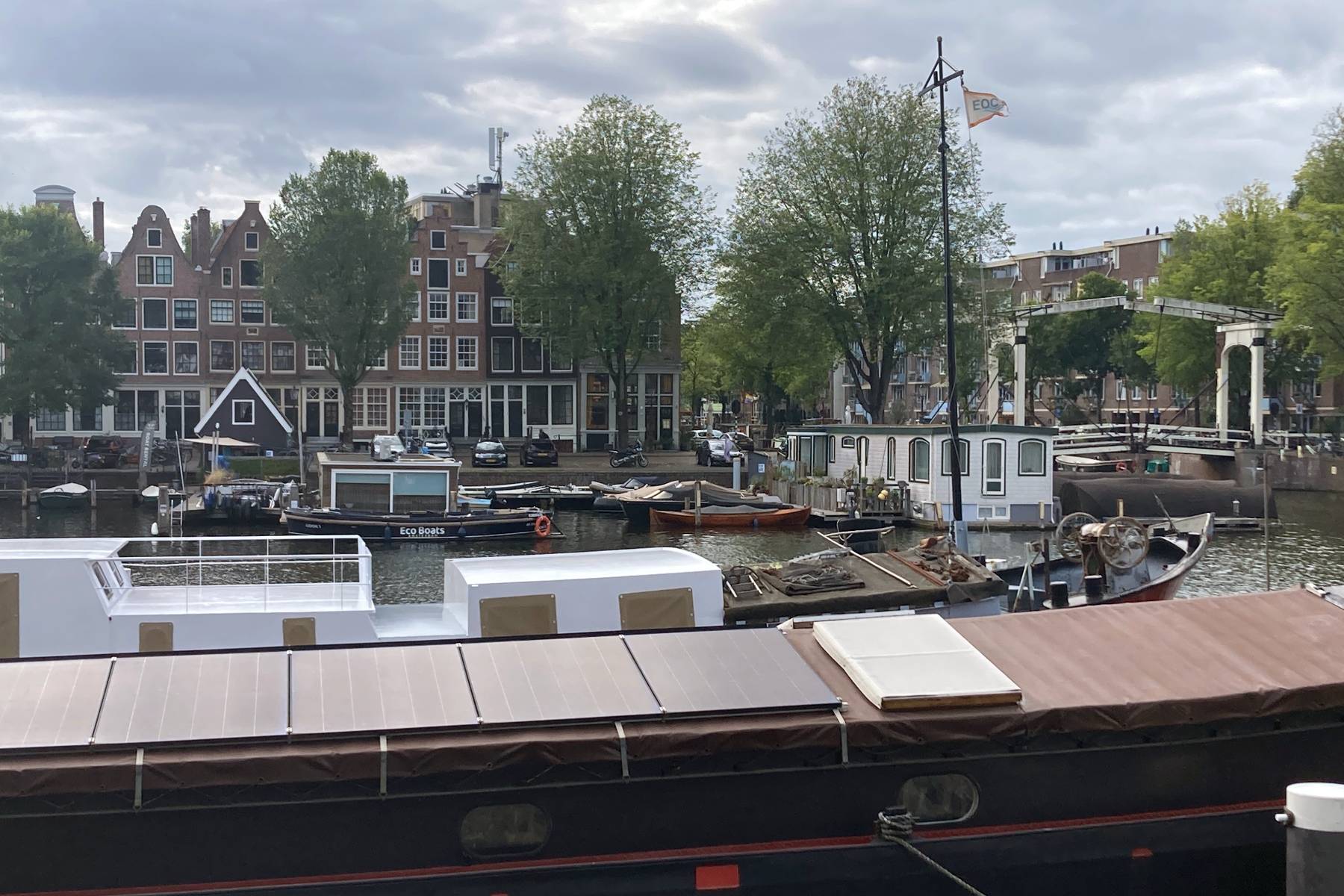
Zandhoek on Realeneiland, with the Petemayen Bridge on the right (view from Westerdok). The Western Islands' warehouses were gradually restored and turned into homes, studios and ateliers.

Amsterdam's hidden waterfront

Just a few minutes' walk from the bustle of Amsterdam Central Railway Station lies one of the city's best-kept secrets: the Westelijke Eilanden

Made up of 3 small islands — Bickerseiland, Prinseneiland and Realeneiland — this is Amsterdam at its most tranquil. Narrow cobbled streets, houseboats bobbing on quiet canals, converted warehouses draped in ivy, and hardly a tour group in sight. It feels like stepping into a 17th-century village.

Golden Age atmosphere

The islands were artificially created between 1611 and 1615 to give Amsterdam's booming maritime trade more room to grow. While the famous Dutch East India Company (VOC) built its warehouses on the Eastern Islands, the Western Islands became the domain of the West India Company (WIC) and merchants trading with the Levant and the Baltic.

Herring, grain, tobacco, wine, salt and tar were stored in the hundreds of warehouses that once lined the canals — Prinseneiland alone had more than a hundred.

Walking tour

The Westelijke Eilanden are ideal for a historical city walk. On the Western Islands walking tour , Gilde Amsterdam takes you from Central Station to this hidden oasis.

Three islands, three characters

Bickerseiland is the liveliest of the three, with a mix of restored warehouses and modern housing along the car-free Bickersgracht. Look out for De Dierencapel , a small volunteer-run city farm right on the water — a favourite with families.

The island technically stopped being an island in 1878, when a railway embankment connected it to the mainland, but its village feel never faded.

Realeneiland - named after the influential Reael merchant family - is the picture-postcard island, famous for the Zandhoek, a row of elegant 17th-century gabled houses facing the water where sand ships used to unload their cargo.

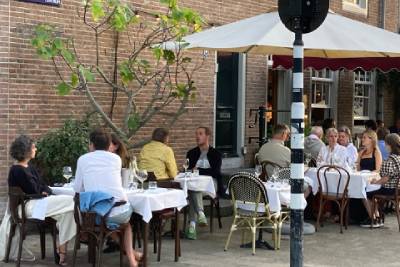
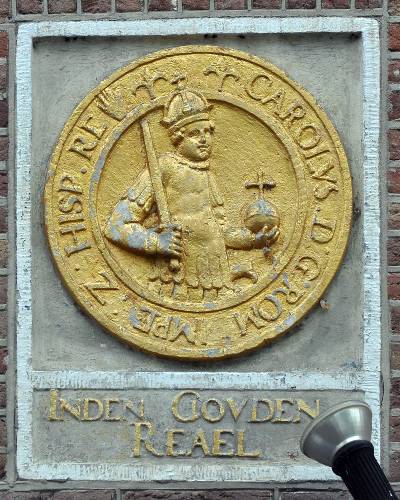
The Reael family home is adorned with a gable stone depicting the 'Gouden Reael' coin. Nowadays, this iconic corner building is home to the acclaimed Tannay restaurant, known for its waterside terrace and French bistro cuisine.

Prinseneiland is the quietest and most artistic of the three. Once home to more than a hundred warehouses, many are now studios and ateliers, and the island still draws painters and craftspeople today — the famous Dutch painter George Hendrik Breitner worked here until 1914.

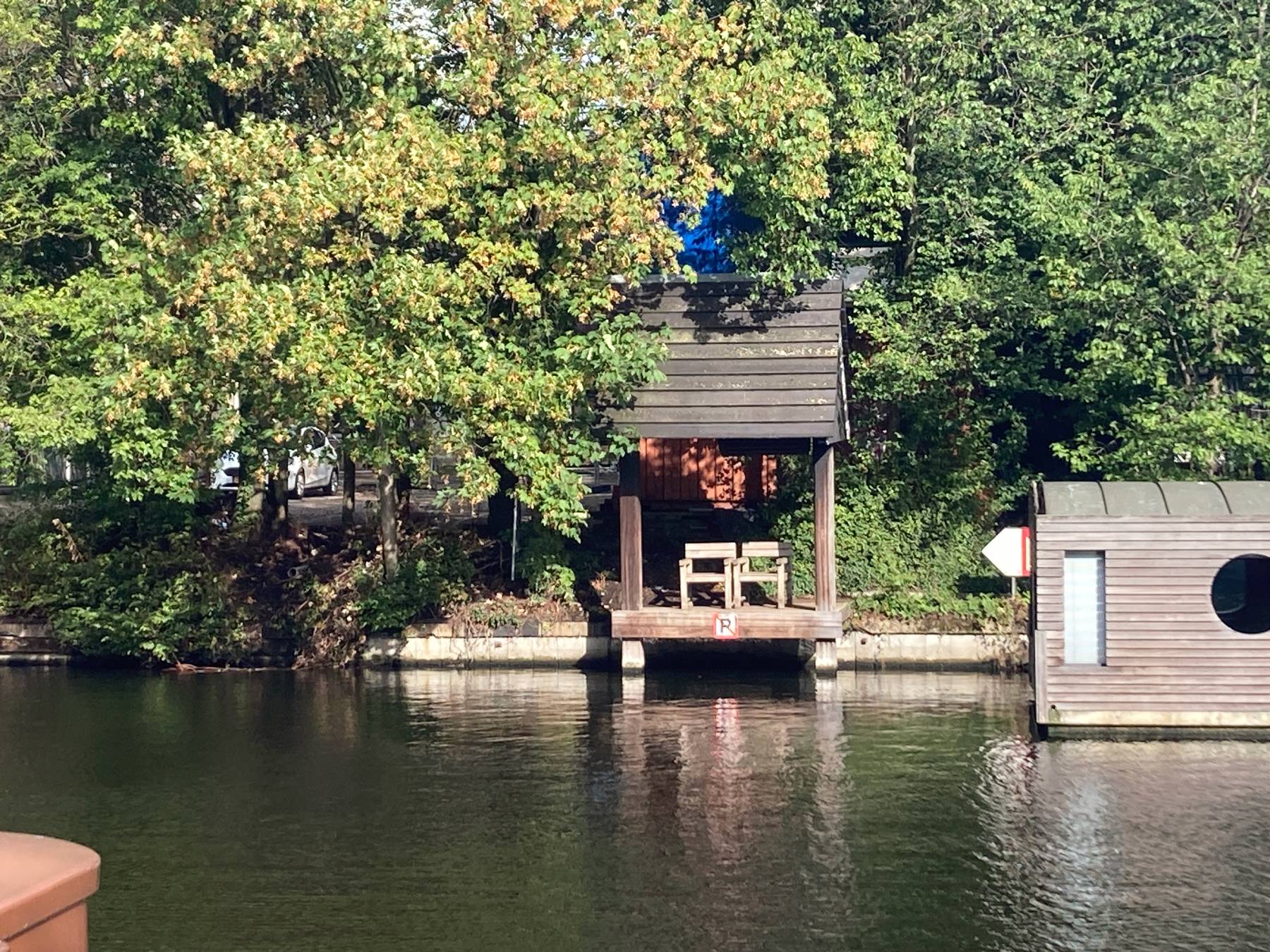
Don't miss the Palmentuin at Prinseneiland 40, a hidden semi-public garden that feels almost tropical, and the wooden shore-side winch along the Prinseneilandsgracht (near Galgenstraat), the last of its kind in Amsterdam, once used to hoist barrels of tar.

Also worth seeking out is Galgenstraat, whose end once offered a grim view across the water to the city's gallows in Amsterdam Noord.

districts map

Location

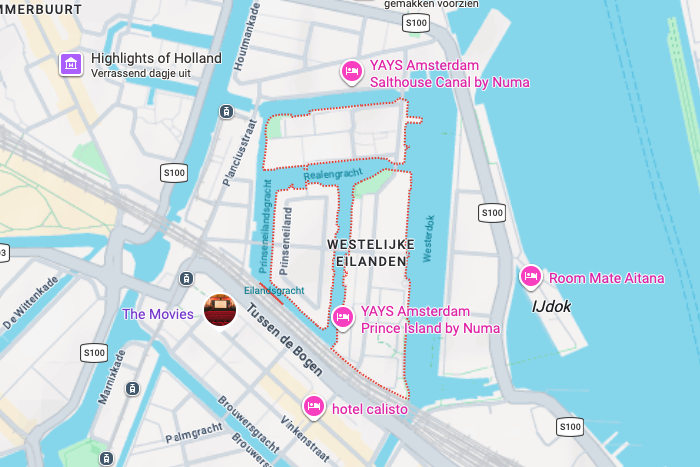
The Westelijke Eilanden are located in the northwestern corner of Amsterdam's historic city centre, sandwiched between the vibrant Jordaan neighbourhood and the IJ Waterfront. It sits just a 15-minute walk west of Amsterdam Centraal Station.

The islands are interconnected by picturesque little lift bridges.

To the west, across the railway lines, is the Spaandammerbuurt, celebrated for its unique Amsterdam School architecture.

nearby accommodation and restaurants

main attractions and sights in and around the Western Islands

petemayenbrug

The Petemayenbrug connects Realeneiland to Spaarndammerbuurt.

Haarlemmerpoort

Haarlemmerpoort - an old city gate from 1840 built in neo-classical style

de roo vos

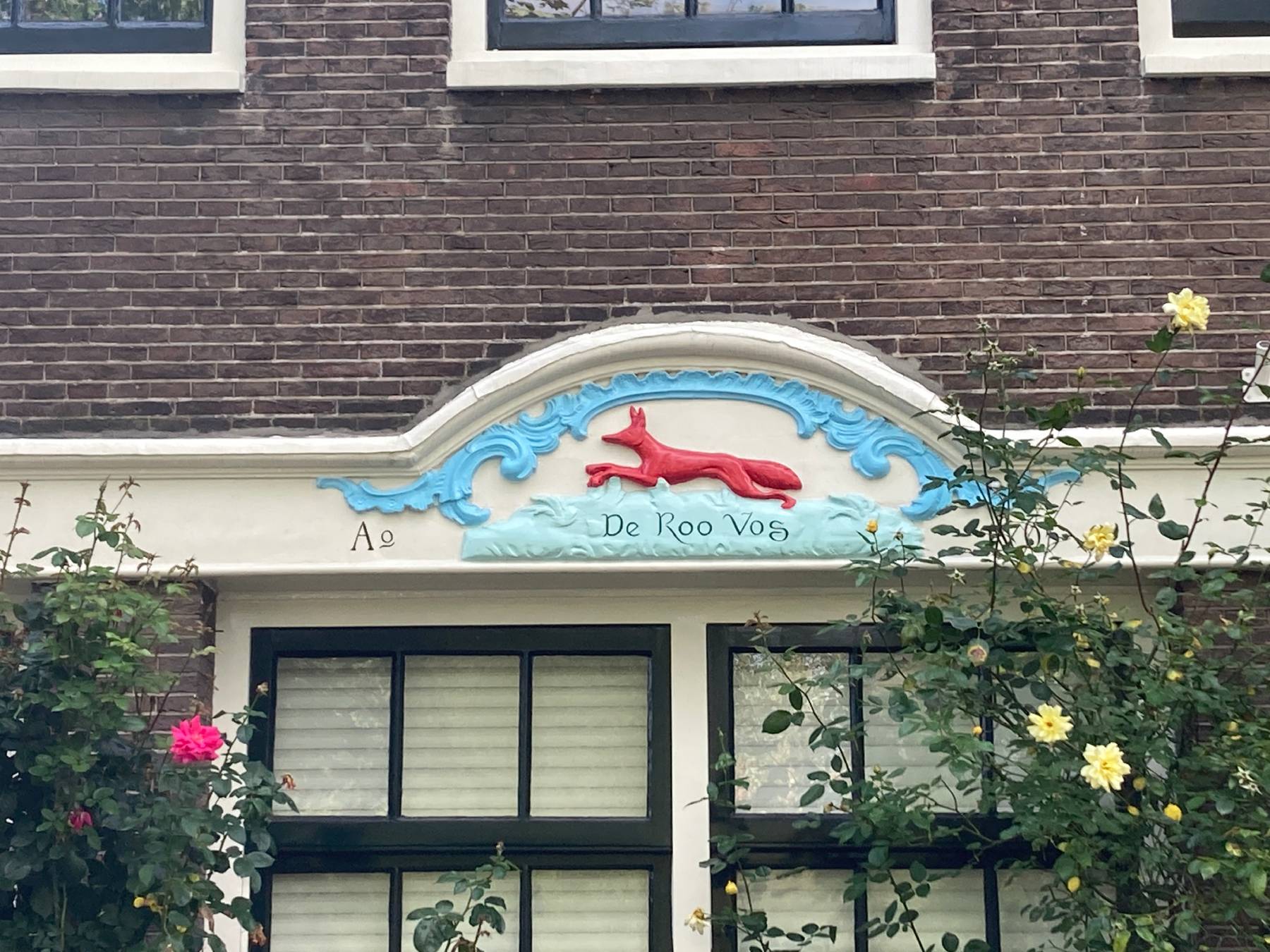
Gable stone De Roo Vos (The Red Fox) refers to an old tar-boiling facility that used to be here.   Nieuwe Teertuinen 24

winch

Near the Sloterdijkerbrug (on Prinseneiland), there is still a wooden protective cover from Amsterdam’s very last shore-side winch, which was once used right by the water’s edge to hoist the extremely heavy barrels and pots of tar directly from the boats onto the quay.

lepelaar

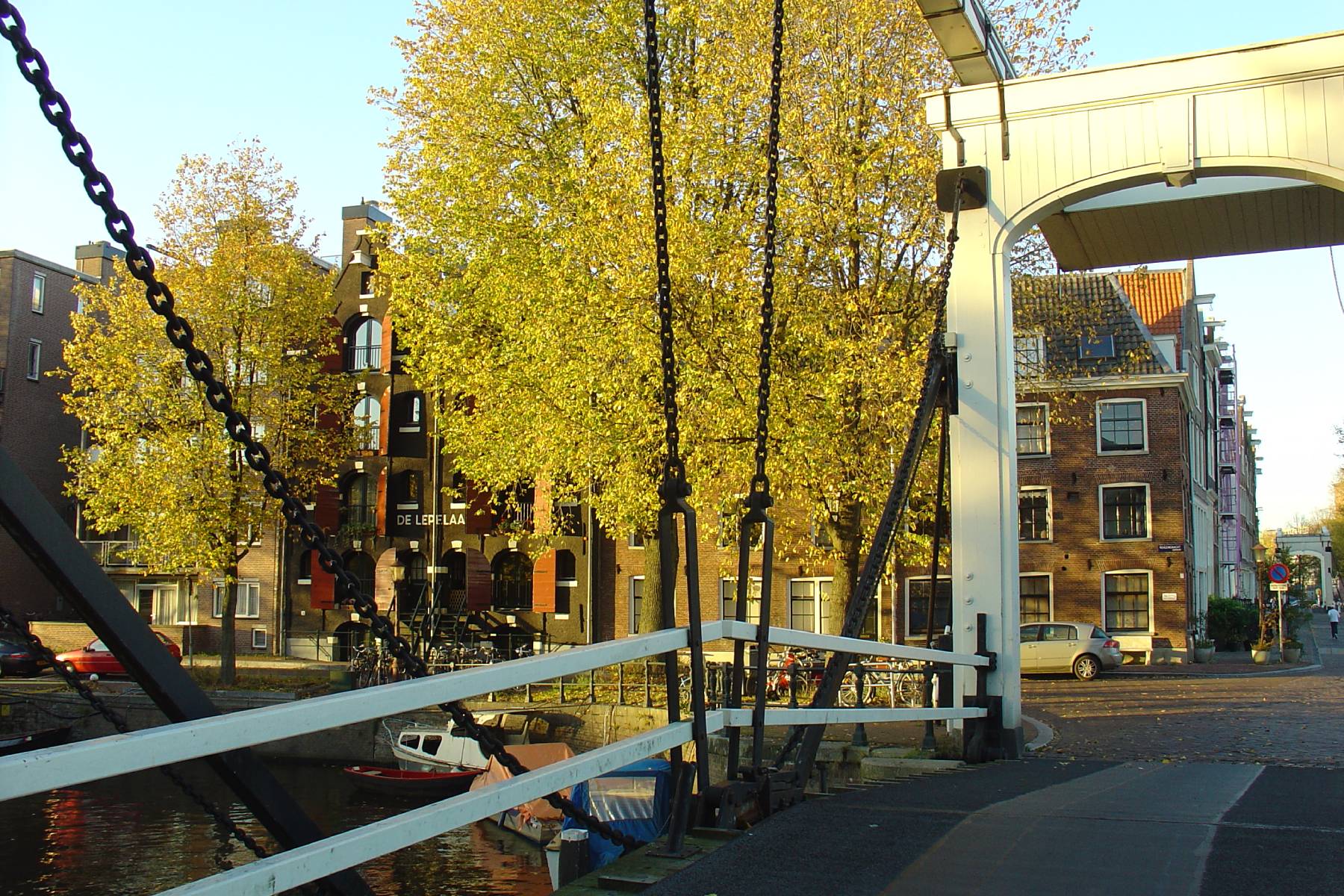
Zandhoeksbrug with De Lepelaar warehouse in the background.   Realengracht 30

wolf

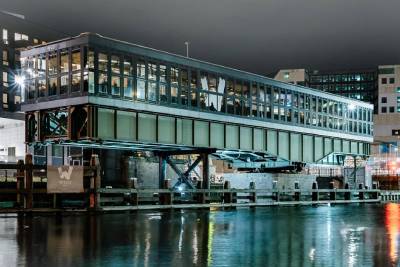
Wolf Atelier - fine-dining on an old railway bridge at the Western Doklands

tussen de bogen

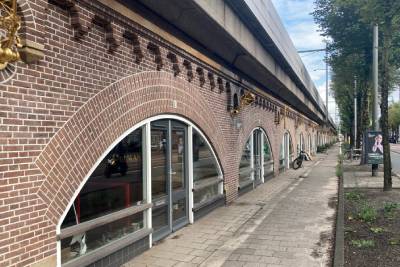
The Western Islands border ‘Tussen de Bogen’ to the south, where studios and small workshops are tucked away beneath the old railway arches.

drieharingenbrug

The Drieharingenbrug is a double drawbridge connecting Realeneiland with Prinseneiland.

IJveer
realeneiland

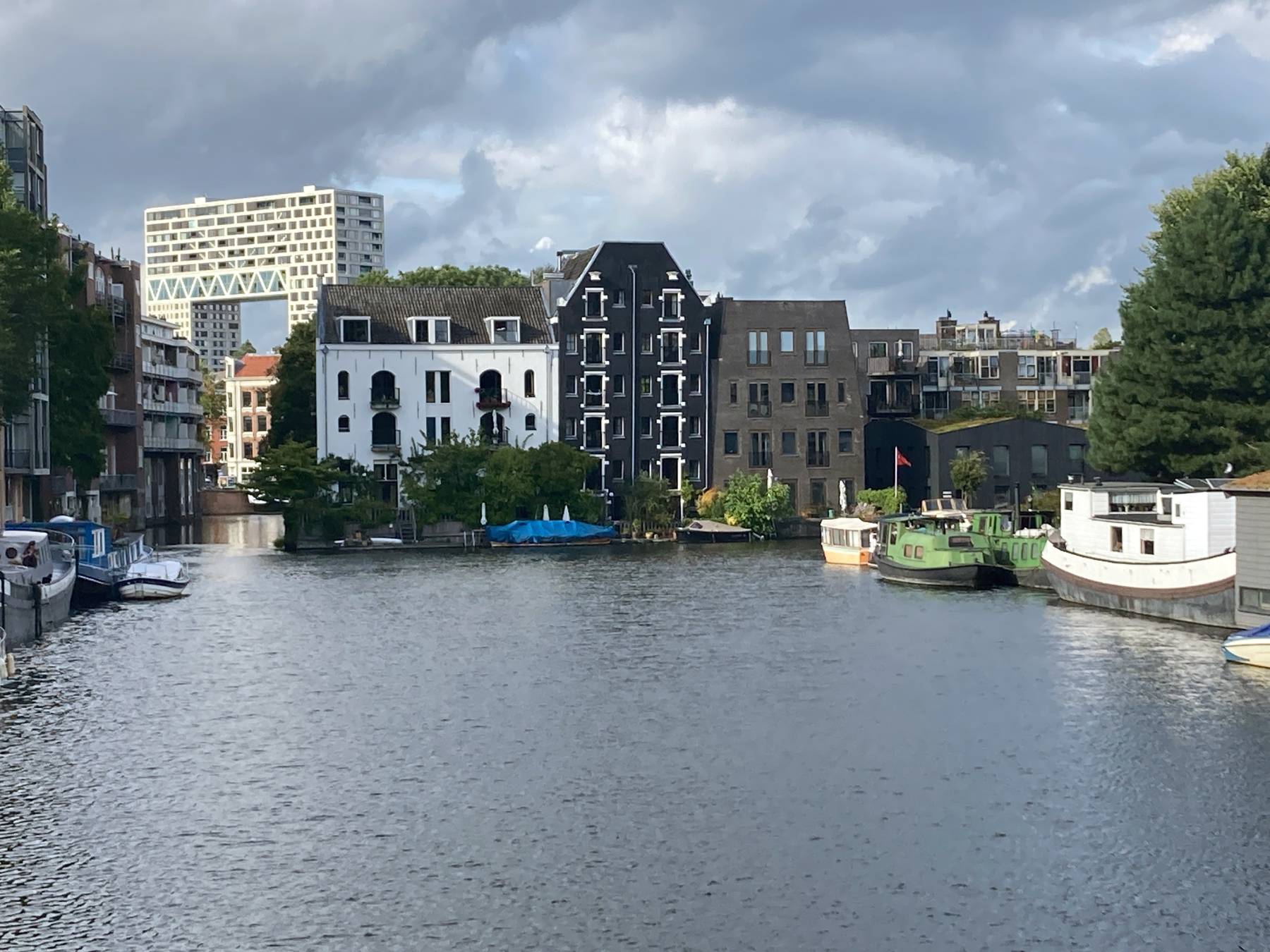
View of Realeneiland from Sloterdijkerbrug with the 92m-high Pontsteiger building in the background.

tannay

Canalside terrace at restaurant Tannay

gouden reael

Gable stone on Zandhoek 14

Sloterdijkerbrug

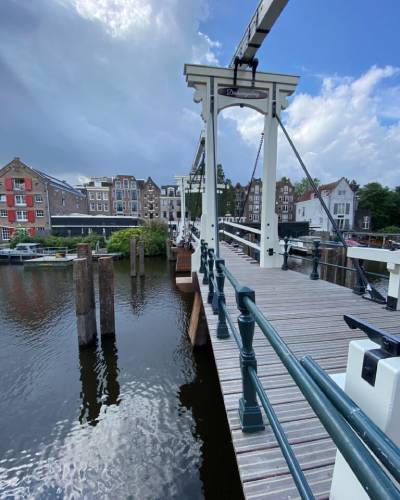
The Sloterdijkerbrug is a double wooden drawbridge and a key thoroughfare to Prinseneiland.